Wellhub Study: As AI Raises the Bar, 88% of Organizations Are Racing to Retain Their Top Human Talent
Last Updated May 28, 2026
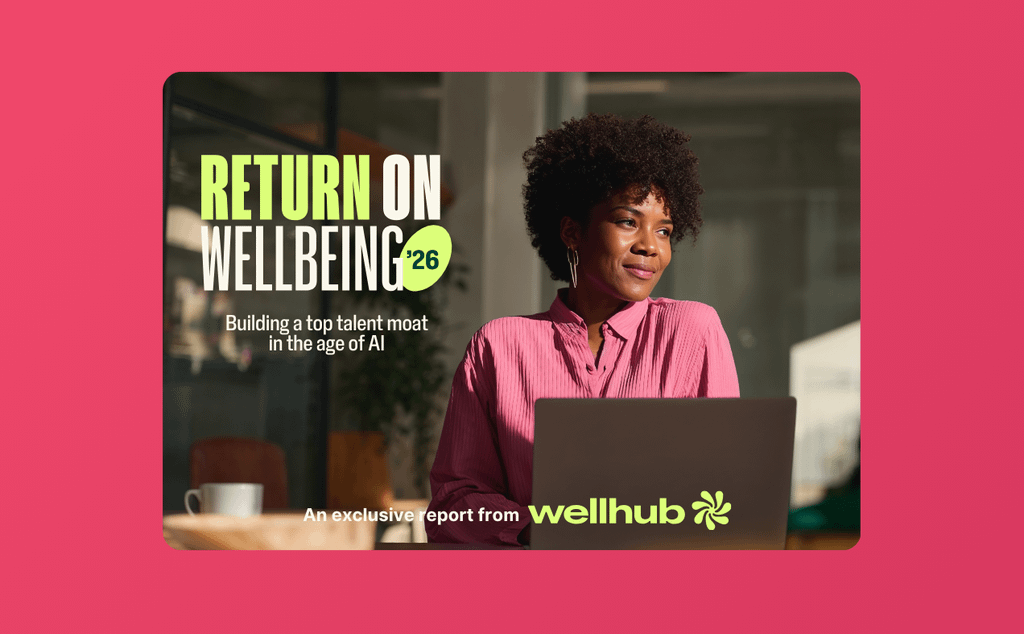
Survey of 1,500+ HR leaders finds growing pressure on top performers and strong financial returns from investing in their wellbeing
NEW YORK, NY — May 27, 2026 – As AI reshapes how work gets done, companies are entering a new phase of workforce transformation where fewer people are expected to deliver more, and the cost of losing top talent is rising fast.
A new global study from Wellhub, the 2026 Return on Wellbeing Report, finds that when top performers leave, it’s not just an HR problem, it directly impacts business performance. Based on Wellhub’s survey of more than 1,500 HR and benefits leaders across 10 countries, 88% of organizations say retaining top performers is a top priority for 2026 as companies adapt to AI-driven change and increasing performance demands.
Talent Retention in the age of AI
AI is changing the structure of work in real time. Roles are evolving, some are disappearing, and new skill set requirements are emerging faster than organizations can hire for them.
Companies are reducing parts of their workforce while becoming more dependent on the people who remain, especially top performers. Those employees are not just doing their jobs. They’re driving output, helping teams adapt to new tools and carrying more responsibility as teams get leaner.
As colleagues leave, top performers are also absorbing the emotional weight of being the ones left behind. This “survivor guilt” can increase stress and push employees to overextend themselves.
As a result, retention is becoming more targeted and more critical than ever. Wellbeing is emerging as a key part of that strategy:
- 85% of HR leaders say wellness programs are important for retaining top performers
- 82% say wellness programs are important for sustaining their performance
- 83% say wellness programs improve engagement among top talent
Pressure is rising and it is hitting the bottom line
As expectations rise, the strain is no longer invisible. It is showing up in business performance.
- Chronic stress and burnout represent the single most commonly reported negative impacts on employee health, cited by 23% of organizations.
- Excessive workload and unrealistic expectations follow at 21%.
- 72% of HR leaders say degraded employee mental wellness contributes to higher costs for their organization.
- 51% of organizations link declining employee mental health to reduced productivity or performance
- 37% report increased absenteeism or presenteeism as a result of declining employee mental health
Wellbeing is no longer just a cultural initiative. It is a financial issue.
The CFO case for wellbeing
As cost pressures rise, finance leaders are taking a closer look at workforce investments, including wellbeing.
The report finds that:
- 89% of HR leaders say employee wellbeing is critical to financial success
- 96% say Finance has significant influence over workforce and benefits decisions
- 61% of companies measure ROI on wellbeing programs
- Among those, 95% report positive returns
- 75% of organizations report ROI of more than 50% on their wellbeing investments, while nearly 25% report returns exceeding 100% .
These returns are driven by lower healthcare costs, stronger productivity, and improved retention.
As pressure on top performers continues to build, organizations are being forced to rethink how they support sustained performance over time.
“This isn’t just what the data shows, it’s what we’re seeing every day across the organizations we work with,” said Cesar Carvalho, Founder and CEO of Wellhub. “As companies get leaner, more pressure is falling on fewer people. The organizations that recognize that shift and support those employees are the ones that will sustain performance over time. It’s important to recognize that if companies keep raising the bar, they also need to support the people expected to clear it.”
To learn more and access the full 2026 Return on Wellbeing Report, click here.
Category
Share

The Wellhub Newsroom shares the all of the latest company and wellbeing industry news. Discover what's happening. Are you a journalist? Contact us at press@wellhub.com.
Subscribe
Our weekly newsletter is your source of education and inspiration to help you create a corporate wellness program that actually matters.
Subscribe
Our weekly newsletter is your source of education and inspiration to help you create a corporate wellness program that actually matters.