9 Women Leading the Transformation of Workplace Wellbeing
Last Updated Feb 5, 2026
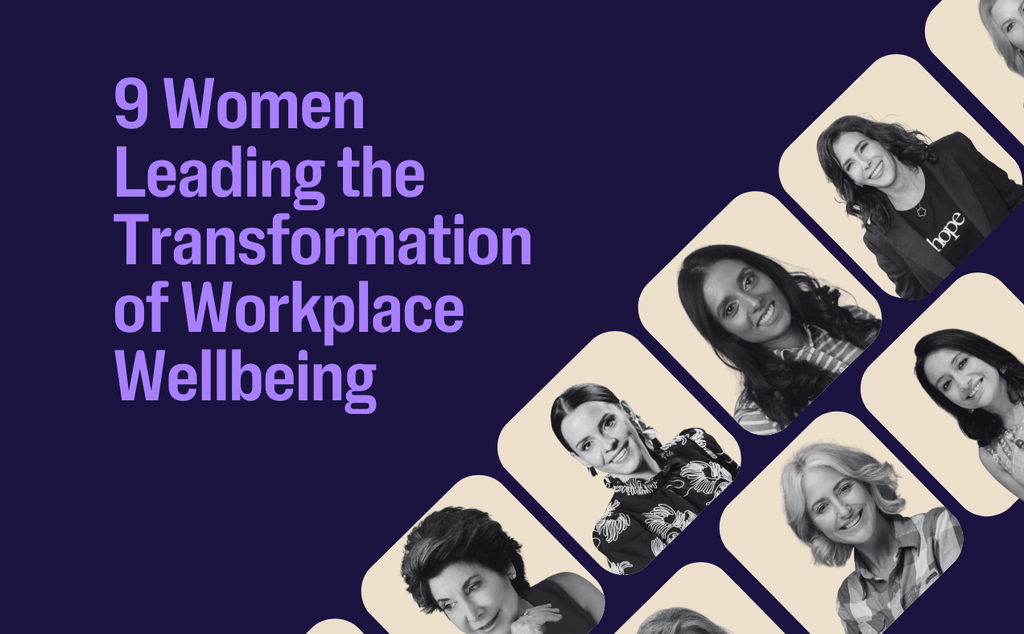
Workplace wellbeing is no longer a perk tucked into the benefits guide. It’s a leadership mandate. It’s a board-level conversation. It’s a core driver of performance, culture, and retention.
That shift didn’t happen by accident. It’s being led — boldly and brilliantly — by women who are redefining what it means to care for people at work.
Today, 86% of employees say their wellbeing at work is just as important as their salary, according to Wellhub’s State of Work-Life Wellness 2026 study. Yet only a small fraction of organizations have truly embedded wellbeing into how they lead, manage, and grow.
The women below are changing that reality. They’re turning wellbeing from a “nice to have” into a strategic, systemic priority that touches leadership, culture, governance, and global policy.
- Mita Mallick
Making inclusive leadership a foundation of wellbeing
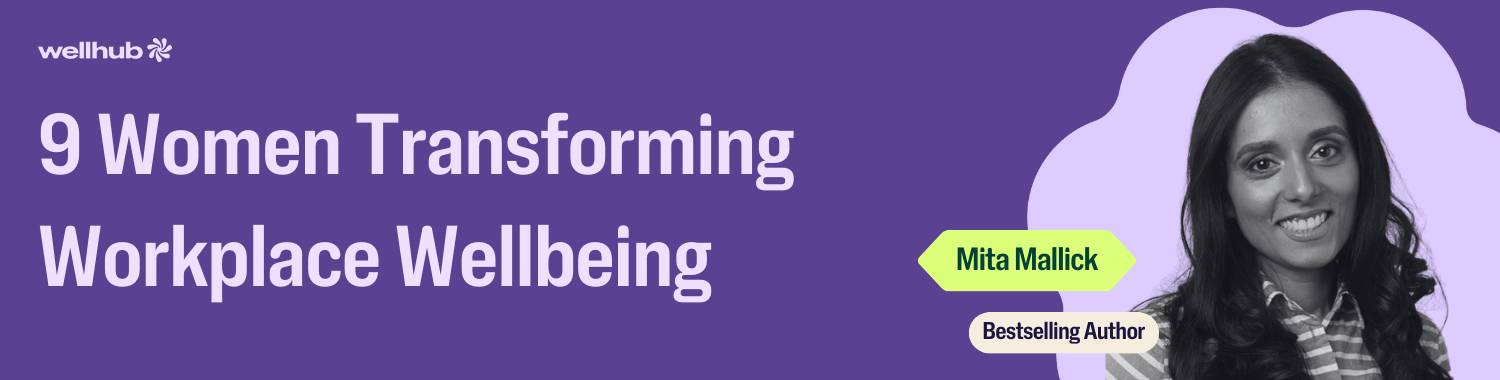
Mita Mallick doesn’t sugarcoat bad leadership. She studies it, names it, and uses it as a blueprint for doing better.
In Reimagine Inclusion and The Devil Emails at Midnight, Mallick argues that toxic bosses aren’t anomalies — they’re often the result of predictable systems that reward the wrong behaviors. Her work reframes inclusion and equity as core components of workplace wellbeing, not parallel initiatives.
She consistently pushes leaders to move DEI from statements to daily actions. Psychological safety. Fair processes. Anti-bias practices. These aren’t “soft skills.” They’re the conditions people need to stay healthy, engaged, and able to succeed — especially women navigating backlash against DEI efforts.
- Betsy Atkins
Taking wellbeing into the boardroom
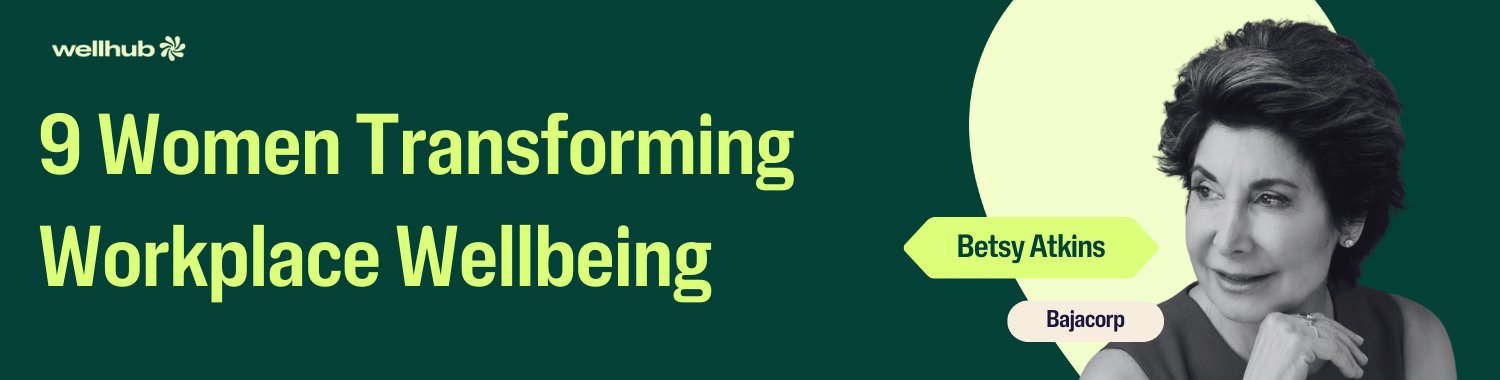
Betsy Atkins has one message for directors: culture is governance.
As a longtime board member and advisor, she reframes wellbeing, human capital strategy, and the “war for talent” as issues boards must actively oversee — not delegate away. Burnout, disengagement, and culture breakdowns are risks. And risks belong in the boardroom.
She urges directors to stay ahead of shifts in remote work, employee expectations, and leadership accountability. In her view, boards should hold management responsible for creating environments that sustain performance over time.
- Jen Fisher
Embedding wellbeing into culture at scale
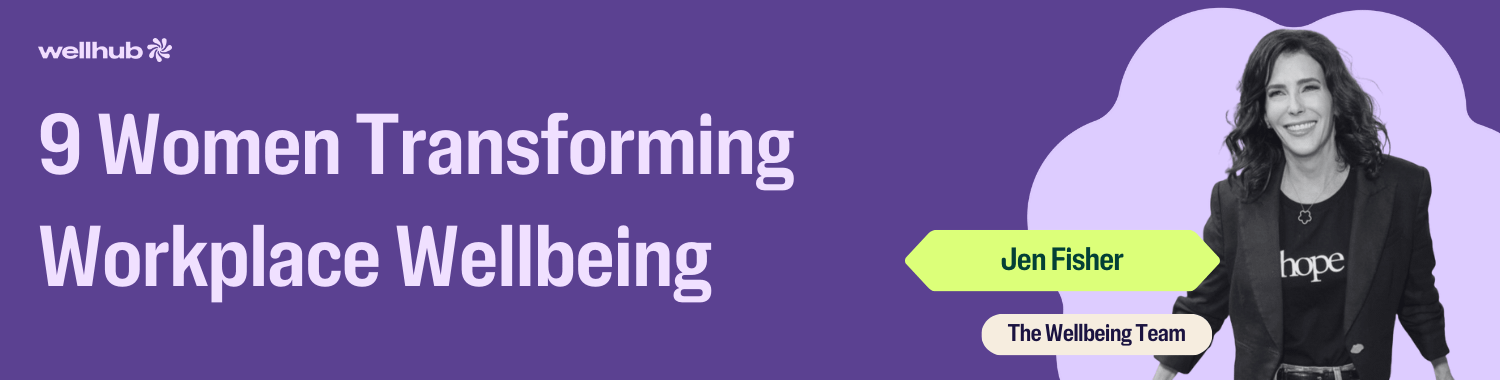
When Jen Fisher became Deloitte’s first Chief Well-being Officer, she didn’t build a program. She built a system.
Responsible for more than 120,000 people, Fisher embedded wellbeing directly into culture, policies, and leadership norms. She normalized mental health conversations and operationalized care through flexible work, sabbaticals, mindfulness, and firm-wide disconnect practices.
Her approach showed that wellbeing isn’t about isolated benefits. It’s about how work actually gets done — and whether people can sustain it.
- Ines Hungerbühler
Bringing clinical rigor to workplace wellbeing
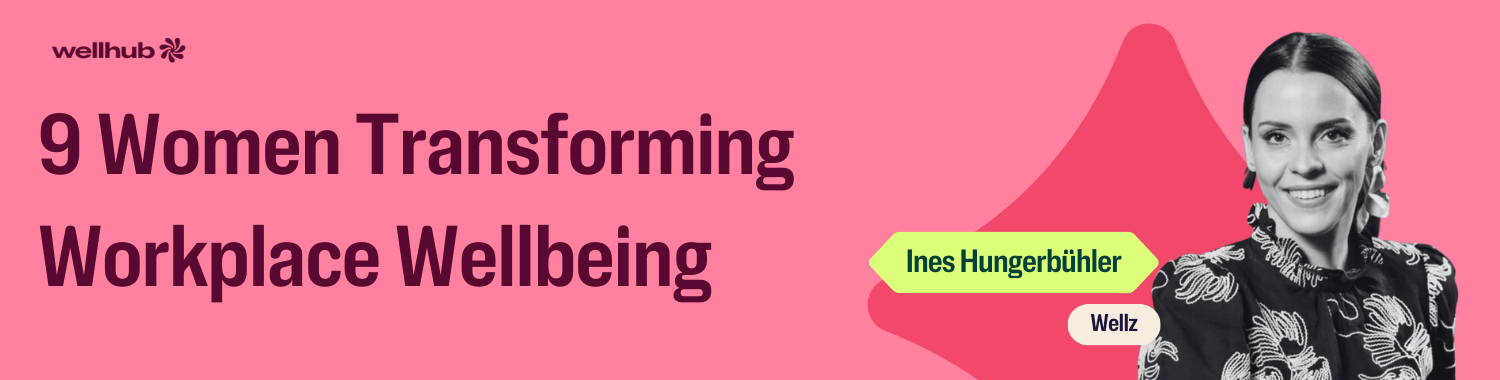
Ines Hungerbühler approaches workplace wellbeing with one non-negotiable principle: science matters.
With a background in clinical psychology, she designs “healthy workplaces” that help people thrive — without relying on fluffy interventions or feel-good trends. Her work emphasizes evidence-based digital health and measurable outcomes.
At Wellhub, she’s been a key champion of integrated mental health coaching, including partnerships with Headspace. The focus is clear and practical: reduce work-driven stress and make personalized mental health support a standard part of employee benefits, not a last resort.
- Cara Brennan Allamano
Making people strategy a growth strategy
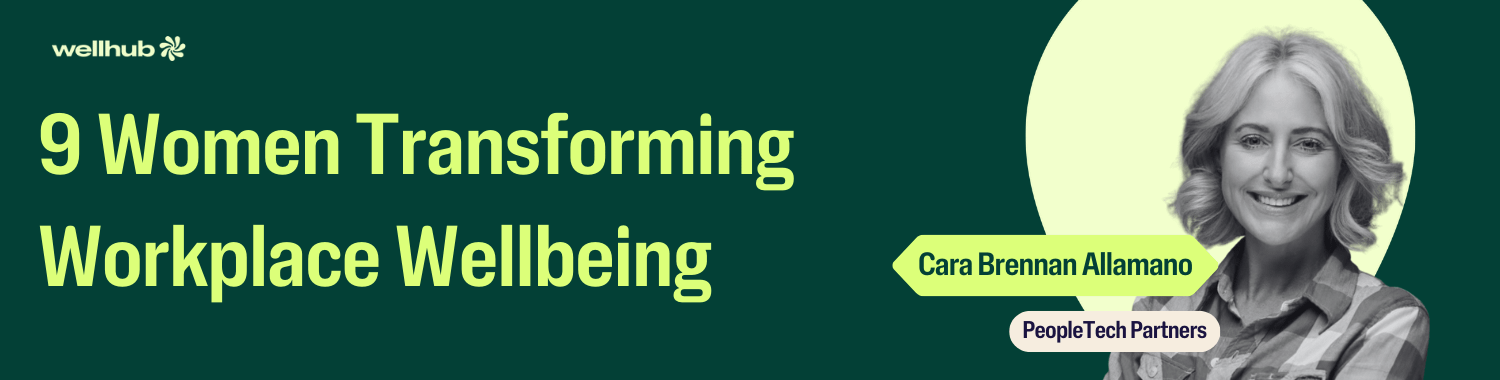
Cara Brennan Allamano consistently reframes the people function as a driver of business performance.
Across leadership roles at Udemy and Lattice, she’s tied employee success, learning, and culture directly to outcomes leaders care about. Engagement. Retention. Growth. Her work proves that investing in people systems isn’t just good for employees — it’s good for the business.
At Lattice, she helped build tools that make feedback, growth, and engagement part of everyday work, using data to improve experiences in real time.
- Sheryl Sandberg
Bringing compassion into corporate policy
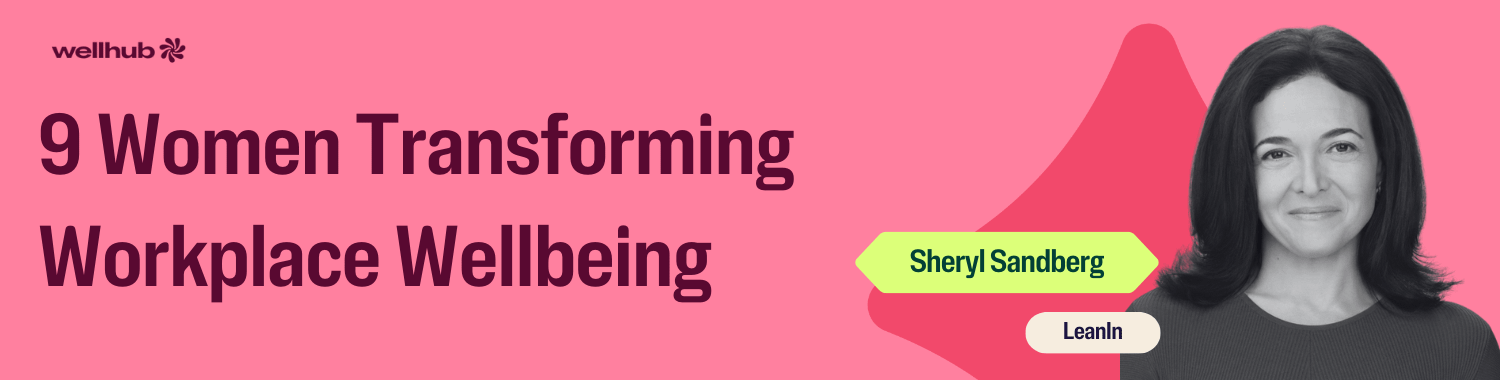
Sheryl Sandberg helped move conversations about grief, resilience, and compassion into the mainstream of corporate life.
Through Lean In and her work following personal loss, she’s advocated for policies like expanded bereavement and family leave — and for cultures that recognize the human impact of adversity. Her message is simple but powerful: people don’t stop being human at work.
She encourages leaders to build “resilience muscles” across teams by supporting one another through hard moments, not avoiding them.
- Arianna Huffington
Proving wellbeing and performance go hand in hand
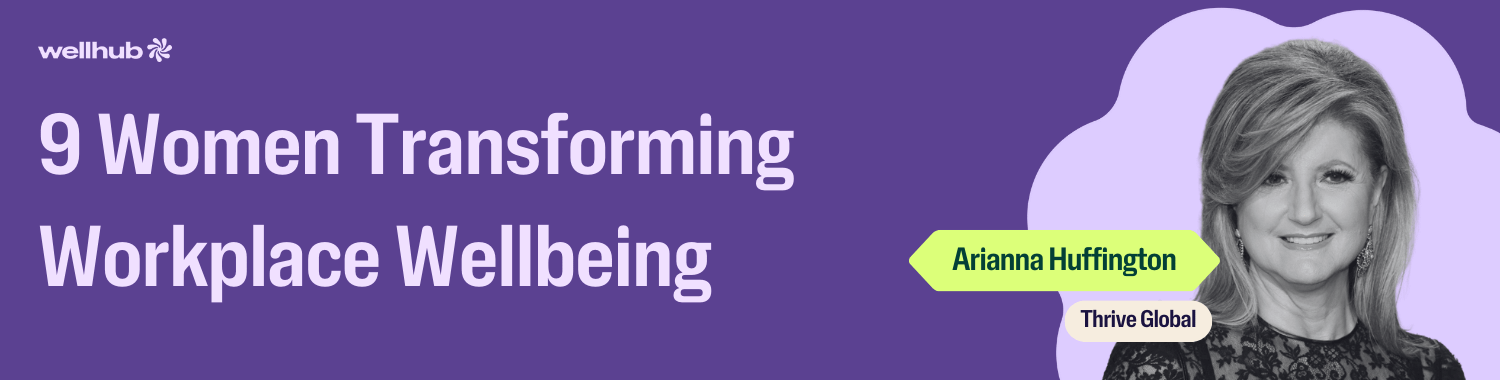
Arianna Huffington founded Thrive Global with a bold mission: end the burnout epidemic.
She backed that mission with data. Through Microsteps and behavior-change programs, Thrive Global shows that small, consistent actions — better sleep, real recovery, healthier boundaries — drive both wellbeing and performance.
Huffington helped make sleep, recovery, and work-life integration executive priorities, not personal indulgences. Companies around the world now treat these as measurable business drivers.
- Marjorie Morrison
Making mental health an HR responsibility
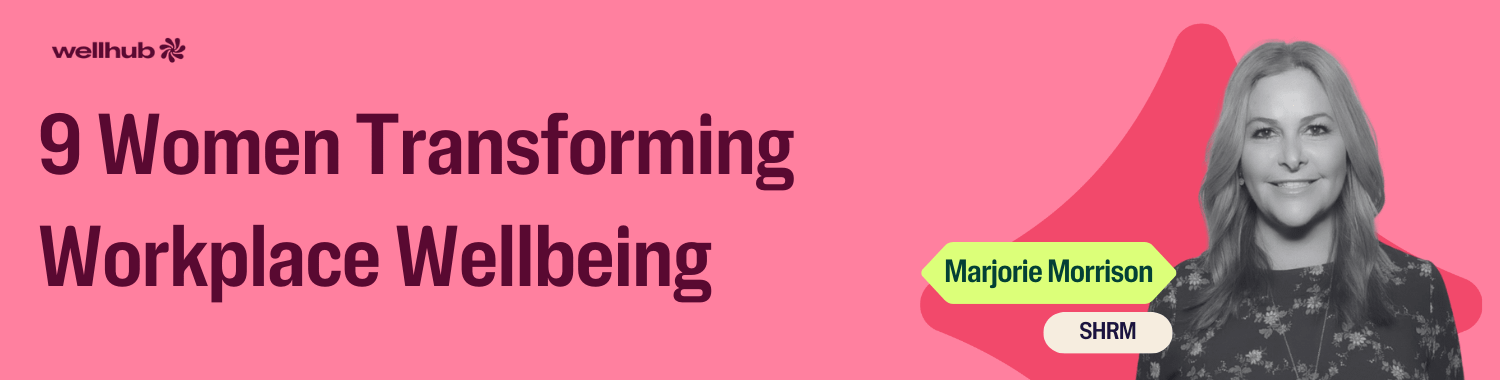
As SHRM’s Mental Health Executive-in-Residence, Marjorie Morrison is shaping how HR leaders around the world approach mental health.
Her work combines clinical expertise, digital innovation, and education to reduce stigma and make mental health a core leadership responsibility. The scale is massive — reaching hundreds of millions of workers and families globally.
Morrison focuses on equipping HR teams with practical tools, training, and frameworks that make mental health support accessible and actionable.
9. Ruma Bhargawa
Positioning mental health as an economic imperative
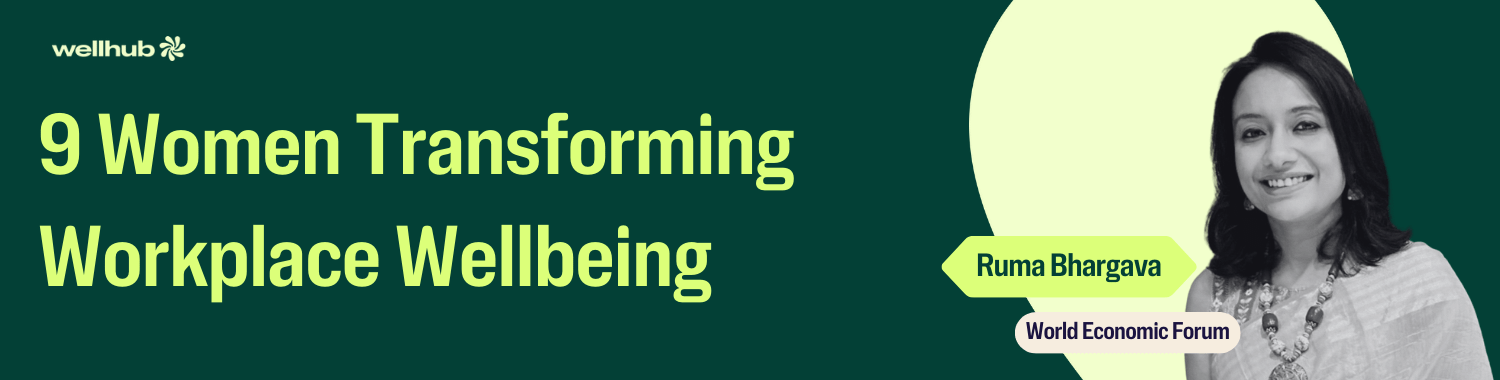
Ruma Bhargava leads the World Economic Forum’s Mental Health Initiative, so she speaks the language leaders listen to: impact and economics.
Through the Healthy Workforces agenda, she partners with more than 50 organizations to advance resilient, healthy workplaces worldwide. She consistently frames mental health, especially women’s mental health, as a strategic and economic issue, not just a personal one.
Her work highlights the productivity costs of anxiety and depression and calls for holistic, stigma-free action at work.
When Wellbeing Leads, Work Works Better
Strong leaders treat wellbeing as strategy, not symbolism.
Yet many organizations still leave employees without consistent support, even as expectations rise and burnout grows.
A wellbeing program helps you turn leadership intent into everyday action. It gives employees simple, flexible ways to care for their mental and physical health, and it reinforces the cultures these leaders champion. When wellbeing shows up in daily routines, trust grows, performance stabilizes, and retention improves.
Speak with a Wellhub Wellbeing Specialist to turn wellbeing leadership into a real, shared experience across your workforce!

Company healthcare costs drop by up to 35% with Wellhub*
See how we can help you reduce your healthcare spending.
Category
Share

The Wellhub Editorial Team empowers HR leaders to support worker wellbeing. Our original research, trend analyses, and helpful how-tos provide the tools they need to improve workforce wellness in today's fast-shifting professional landscape.
Subscribe
Our weekly newsletter is your source of education and inspiration to help you create a corporate wellness program that actually matters.
Subscribe
Our weekly newsletter is your source of education and inspiration to help you create a corporate wellness program that actually matters.
You May Also Like

Corporate Wellness Trends HR Must Know for 2026 | Wellhub
See the top 2026 wellness trends shaping performance, retention, and culture—plus how HR can build a unified, ROI-driven wellbeing strategy.

Wellness Points Programs: Boost Employee Health & Engagement | Wellhub
Turn your workplace wellness strategy around with a points program that rewards healthy behavior with perks, from extra time off to gift cards.

Employee Financial Wellness Programs: Ultimate HR Guide | Wellhub
Create an effective financial wellness program that supports your employees in their financial needs, boosting productivity and retention.