How Workplace Accountability Loops Improve Employee Wellbeing
Last Updated Jan 9, 2026

Key Takeaways
- Workplace accountability loops are structured, ongoing systems that align goals, ownership, and feedback to support both performance and wellbeing. Unlike one-off performance reviews, these loops create a repeatable rhythm where expectations are set, progress is discussed, and adjustments are made before issues escalate. This consistency reduces confusion and builds trust, which is a foundational condition for employee wellbeing, especially in fast-paced or high-pressure environments.
- Accountability loops reduce burnout by lowering uncertainty and normalizing early support-seeking. Clear goals and regular check-ins remove the mental strain of guessing what success looks like or where work stands. By creating predictable moments to discuss challenges, employees are more likely to ask for help before stress becomes chronic, directly addressing common burnout drivers like excessive workload and poor communication.
- When designed around trust, accountability loops strengthen social connection and psychological safety at work. Peer involvement, shared goals, and collaborative problem-solving turn accountability into a collective effort rather than a top-down mandate. This sense of connection matters because social support is a key driver of long-term wellbeing, helping coworkers feel like allies instead of isolated contributors.
- Accountability loops differ from micromanagement by protecting autonomy while reinforcing progress. Micromanagement focuses on control and activity tracking, which increases anxiety and disengagement. Accountability loops focus on outcomes, support, and course correction, giving employees clarity without surveillance. This design empowers employees to self-correct and stay motivated, which directly supports both effectiveness and wellbeing.
- Real-world examples show accountability loops help wellbeing initiatives stick under real pressure. The SEED Champion Initiative demonstrated that peer-led goals, regular check-ins, and shared ownership can reduce emotional exhaustion and stress in high-intensity healthcare settings. The key driver of impact was not the activities alone, but the ongoing accountability loop that sustained momentum, learning, and follow-through over time.
Clear goals. Consistent check-ins. Open feedback. Together, they create a loop that keeps your team focused, supported, and moving forward.
Accountability loops bring structure to the day-to-day. They create space for honest conversations, steady progress, and stronger connection across teams.
When employees know what to expect and where they stand, stress drops and momentum builds. People feel seen, supported, and ready to follow through.
Let’s build some accountability loops that fuel clarity and connection — helping your team thrive from the inside out.
What Are Workplace Accountability Loops?
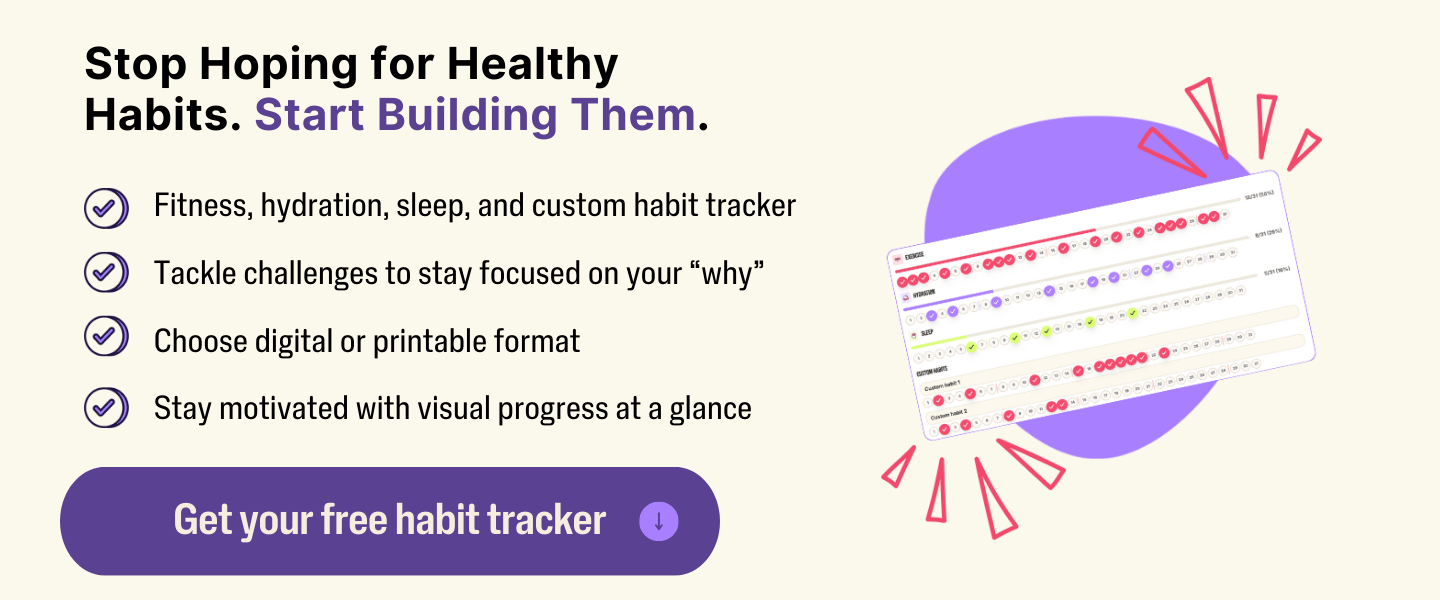
Workplace accountability loops are structured, repeatable cycles that help employees stay aligned, supported, and responsible — to their work and to each other.
They typically include four core elements:
- Clear goals
- Defined ownership
- Regular check-ins
- Feedback and follow-through
The “loop” part matters. Accountability isn’t a single moment where results are reviewed. It’s an ongoing system where expectations are set, progress is discussed, adjustments are made, and support is offered before problems escalate.
This structure creates consistency. Consistency builds trust. And trust is foundational to employee wellbeing.
Why Accountability Loops Improve Employee Wellbeing
Accountability loops can improve more than execution. They also reduce many of the conditions that lead to stress and burnout in the first place.
Here’s how.
They Reduce Uncertainty and Cognitive Overload
Unclear expectations are exhausting. When employees don’t know what success looks like, they spend energy guessing instead of doing.
Regular accountability check-ins reduce that mental load. Employees know what they’re working toward and where they stand. This clarity supports performance and wellbeing at the same time.
That’s critical when 43% of employees cite excessive workload as the top cause of burnout, according to Wellhub’s State of Work-Life Wellness 2026study.
They Normalize Asking for Support
In a healthy accountability loop, progress and challenges are discussed openly. Employees don’t have to wait until they’re overwhelmed to speak up.
This matters because 90% of employees say they experienced burnout symptoms in the past year. Accountability loops create earlier intervention points, which helps prevent burnout from becoming chronic.
They Strengthen Social Connection at Work
Accountability loops often involve peers, not just managers. Team-based goals, shared progress tracking, and collaborative problem-solving all build connection.
Social connection is a powerful wellbeing driver. Sixty-two percent of employees say community or social support is extremely or very important for maintaining long-term wellness habits.
Accountability turns coworkers into allies.
They Reinforce Positive Habits Through Momentum
Progress tracking and regular feedback create momentum. Momentum builds motivation.
In fact, 24% of employees say accountability is what motivates them to participate in group wellness challenges,. The same psychology applies to work goals, development plans, and wellbeing behaviors.
Accountability vs. Micromanagement: Why the Difference Matters
Let’s be very clear. Accountability loops are not micromanagement.
Micromanagement removes autonomy. Accountability loops protect it.
The difference comes down to intent and design:
| Micromanagement | Accountability Loops |
| Focuses on control | Focuses on support |
| Tracks activity | Tracks progress |
| Creates anxiety | Creates clarity |
| Punishes mistakes | Enables course correction |
With micromanagement, employees are less productive and effective.
But when accountability loops are built around trust and transparency, employees feel empowered. That psychological safety directly supports wellbeing.
How to Create an Accountability Loop (Step by Step)
Here’s how to build accountability loops that support wellbeing instead of undermining it.
Step 1: Set a shared, meaningful goal
Start with a goal that employees can understand and influence. Tie it to business outcomes, wellbeing outcomes, or both.
Examples include:
- Improving cross-team project delivery
- Reducing after-hours work
- Increasing participation in wellness initiatives
Shared goals create collective ownership, which reduces isolation.
Step 2: Define ownership clearly
Ambiguity creates stress. Be explicit about who owns what.
Ownership does not mean doing everything alone. It means knowing where responsibility starts and ends. This clarity prevents overwork and role confusion, two common burnout triggers.
Step 3: Establish a consistent check-in rhythm
Choose a cadence that fits your team’s workflow. Weekly and biweekly check-ins work well for most teams.
To be clear, you’re not surveilling employees here — you’re creating connection. These moments give employees a predictable space to share progress, raise concerns, and recalibrate priorities.
Step 4: Make feedback routine and two-way
Feedback should move in all directions — manager to employee, employee to manager, and peer to peer.
This openness builds trust and reinforces psychological safety. It also helps address one of the leading contributors to burnout: poor leadership communication, cited by 27% of employees in Wellhub’s State of Work-Life Wellness 2026 study.
Step 5: Celebrate progress, not just outcomes
Recognition closes the loop.
Celebrating milestones reinforces effort and momentum, even when goals are still in progress. That’s essential, especially when lack of recognition is a major contributor to burnout.
Small wins matter more than you think.
Step 6: Review and refine the loop
Accountability loops should evolve. Regularly ask:
- Is this process still helpful?
- Are check-ins adding value?
- Do goals still make sense?
Flexibility signals care. Care drives trust. Trust supports wellbeing.
Accountability Loops in Action: A Real-World Case Study
To see what accountability loops can look like in practice, let’s look at the SEED Champion Initiative in an Australian healthcare system.
This program was designed for one of the most high-pressure environments imaginable: frontline healthcare. Burnout, emotional exhaustion, and work-related stress were already present. Leadership knew that a top-down wellbeing program wouldn’t stick on its own.
So they tried something different.
The SEED Champion Initiative
Instead of assigning wellbeing responsibilities to managers, the organization invited frontline staff to volunteer as “SEED Champions.” These champions weren’t told what to do. They were empowered to co-design wellbeing activities with their peers.
Together, they introduced small but meaningful actions on their wards, including:
- Peer support and debrief circles
- Creative and arts-based wellbeing sessions
- Informal spaces for reflection after difficult shifts
Champions were responsible for implementing these actions locally and sharing what worked. This shifted wellbeing from a corporate initiative to a shared, owned practice.
That sense of ownership is critical. Employees are far more likely to follow through when wellbeing doesn’t feel imposed, but chosen.
How the Accountability Loop Worked
After initial training, SEED Champions took part in eight-week follow-up support sessions. These sessions created a structured rhythm of accountability and encouragement.
During each check-in, champions:
- Revisited the wellbeing goals they had set
- Shared progress and setbacks
- Learned from peers facing similar challenges
- Received validation and encouragement to continue
One nurse described these sessions as something that “kept me in check” and “kept me accountable.” They shared that without these regular moments of reflection and peer support, they likely would have stopped prioritizing the wellbeing work altogether.
This is a textbook accountability loop. Goals were set. Progress was reviewed. Support was built in. Momentum was sustained.
The Impact on Employee Wellbeing
The initiative’s outcomes were meaningful, especially given the intensity of the work environment.
The study linked the champion-led, peer-supported approach with:
- Reduced emotional exhaustion
- Lower work-related stress and psychosocial distress
- Increased resilience
- Decreases in anxiety and depression symptoms
What made the difference wasn’t just creativity or peer support alone. It was the ongoing loop of accountability that helped staff follow through on wellbeing actions over time.
The authors concluded that this kind of champion-led accountability loop is a feasible and effective way to support employee wellbeing in high-stress settings — as long as leadership continues to endorse and integrate it into everyday work.
Key Lessons
This case study highlights a crucial insight for HR leaders: accountability doesn’t have to flow from the top to work. When accountability loops are:
- Peer-supported
- Strengths-based
- Reinforced through regular check-ins
They help wellbeing initiatives survive real-world pressure.
For organizations facing burnout, disengagement, or change fatigue, this approach shows how accountability can protect wellbeing instead of eroding it.
Why Accountability Loops Support HR Goals
For HR leaders, accountability loops solve multiple challenges at once.
They:
- Improve clarity and alignment
- Reduce burnout risk
- Strengthen culture
- Reinforce wellbeing without adding complexity
They also support retention: 85% of employees say they would consider leaving a company that doesn’t prioritize wellbeing, according to Wellhub’s State of Work-Life Wellness 2026 study.
Accountability loops help you operationalize care for the long run.
Building Accountability Into a Wellbeing-Driven Culture
Accountability loops create the structure employees need to thrive. Wellbeing programs give them the tools.
Together, they reinforce healthier habits, stronger connections, and more sustainable performance. When employees feel supported and accountable, they show up better — for themselves and for your organization.
If you’re looking to strengthen accountability while supporting employee wellbeing, a comprehensive wellbeing program can help make those loops stick.
Wellhub gives employees access to thousands of fitness, mindfulness, nutrition, and mental wellbeing options — making it easier for them to follow through on healthy habits they commit to at work.
👉 Talk to a Wellhub sales representative today.

Company healthcare costs drop by up to 35% with Wellhub*
See how we can help you reduce your healthcare spending.
Category
Share

The Wellhub Editorial Team empowers HR leaders to support worker wellbeing. Our original research, trend analyses, and helpful how-tos provide the tools they need to improve workforce wellness in today's fast-shifting professional landscape.
Subscribe
Our weekly newsletter is your source of education and inspiration to help you create a corporate wellness program that actually matters.
Subscribe
Our weekly newsletter is your source of education and inspiration to help you create a corporate wellness program that actually matters.
You May Also Like

Corporate Wellness Trends HR Must Know for 2026 | Wellhub
See the top 2026 wellness trends shaping performance, retention, and culture—plus how HR can build a unified, ROI-driven wellbeing strategy.

Wellness Points Programs: Boost Employee Health & Engagement | Wellhub
Turn your workplace wellness strategy around with a points program that rewards healthy behavior with perks, from extra time off to gift cards.

Employee Financial Wellness Programs: Ultimate HR Guide | Wellhub
Create an effective financial wellness program that supports your employees in their financial needs, boosting productivity and retention.