Wellhub resources
Wellhub resources
Explore our latest and greatest resources to support your team’s wellbeing.
Explore our latest and greatest resources to support your team’s wellbeing.
Featured content
Featured content
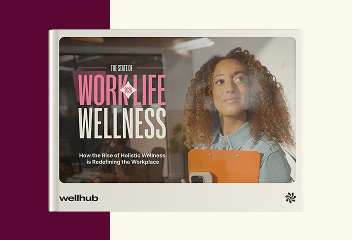
The Work-Life Wellness Report 2026 | Wellhub
Our exclusive HR report reveals why holistic wellness is critical for employee retention and engagement. Discover how to position your programme to attract top talent in today's competitive market.
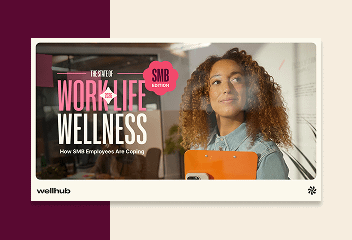
The Work-Life Wellness 2026 SMB Edition
Our complete exclusive insights into how employees in small and medium-sized businesses are managing stress, health and balance. Discover how to position your program to attract top talent.
Wellbeing as a Business Strategy: Measuring Performance & ROI
Stop treating wellbeing as just a perk. Access our 30-min recording to learn how top executives from DHL and LEGO Group use data-driven wellbeing to measure ROI, embed it in culture, and maximize organizational performance.
Jump to
Reports & Insights
Reports & Insights
Strategic takeaways, data-backed trends, and original research to guide better decisions
Strategic takeaways, data-backed trends, and original research to guide better decisions
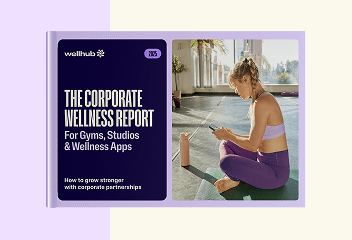
Wellhub | The Corporate Wellness Report
Our exclusive study explores how corporate partnerships drive membership, retention, and profitability for fitness or wellness business owners.
The Work-Life Wellness 2026 SMB Edition
Our complete exclusive insights into how employees in small and medium-sized businesses are managing stress, health and balance. Discover how to position your program to attract top talent.
The Work-Life Wellness Report 2026 | Wellhub
Our exclusive HR report reveals why holistic wellness is critical for employee retention and engagement. Discover how to position your programme to attract top talent in today's competitive market.
HR Guides
HR Guides
Actionable resources and insights on HR challenges from productivity to wellbeing to help build a happier, healthier workplace.
Actionable resources and insights on HR challenges from productivity to wellbeing to help build a happier, healthier workplace.
Wellbeing That Works: Smarter Support for Employees on Any Budget
Discover how to provide meaningful employee wellbeing support with smaller budgets. Learn what's not working, what employees want, and how a platform approach can deliver more value and engagement.
Securing Budget Approval: Making the Case for Wellness Initiatives and Winning Support
Learn how to secure budget approval for wellness initiatives. This guide offers strategies to demonstrate ROI, influence stakeholders, and implement effective employee wellbeing programmes.
Inclusive Wellbeing Programmes: How to Engage Employees Across Generations
Discover how to create inclusive employee wellbeing programs that engage every generation in the workplace. Download our free eBook for actionable insights today!
HR Tools
HR Tools
Practical solutions to help HR teams boost workplace efficiency, support smarter decisions, and optimise their wellbeing programmes.
Practical solutions to help HR teams boost workplace efficiency, support smarter decisions, and optimise their wellbeing programmes.
Maximising ROI: How Cash Reimbursements for Employee Wellness End Up Costing a Company More
Learn why cash reimbursements for wellness cost more than you think. Discover scalable, cost-effective solutions with Wellhub’s proven wellness programs.
How To Know Your Wellness Strategy Reduces Insurance Premiums
Learn how to reduce insurance premiums with effective wellness programs. Discover proven strategies for negotiating lower costs and fostering a healthier workforce.
UK businesses have a wellbeing problem: here's how to fix it
Learn positive steps organisations can take to monitor, measure and manage both the mental and physical health and wellbeing of their people
Webinars & Podcasts
Webinars & Podcasts
Live gatherings, conferences, and panels that bring the wellbeing industry together to share ideas and drive change.
Live gatherings, conferences, and panels that bring the wellbeing industry together to share ideas and drive change.
Closing the Gap: Aligning Employee Wellness Expectations with Reality
Bridge the disconnect between leaders' wellness promises and employee reality. Learn practical strategies to leverage employee voice and co-create consistent, organization-wide wellbeing strategies. Featuring experts from Wellhub, Entain, Cadent Gas, and LinkedIn.
Wellbeing as a Business Strategy: Measuring Performance & ROI
Stop treating wellbeing as just a perk. Access our 30-min recording to learn how top executives from DHL and LEGO Group use data-driven wellbeing to measure ROI, embed it in culture, and maximize organizational performance.
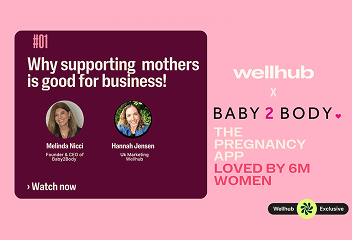
Wellhub x Baby2Body: Why Supporting Mothers is Good for Business
Discover how to retain and support working mothers in the workplace. Watch our webinar with Baby2Body’s CEO, Melinda Nicci, for expert insights and HR strategies.
Companies
Become a wellness company today.
Support holistic wellbeing
Break the burnout cycle
Reduce healthcare costs
Attract and retain talent
Make your team happy
(Be an HR hero)
You agree Wellhub may use the information to contact you regarding relevant products and services. Questions? See our Privacy Policy.
Employees
Check in with your wellbeing every day.
Top gyms and studios
On-demand workouts
Virtual personal training
Thousands of classes
Premium wellness apps
Mental wellbeing support