What is employee health and wellbeing?
Last updated on 24 Feb 2026

Employee health and wellbeing is built in the small moments of the working day. The pace of work. The time people have to recover. The support they can access when stress builds. The habits they can sustain without feeling guilty or vulnerable.
For HR leaders, this creates a clear challenge and a real advantage. When you improve health, you reduce avoidable absence, protect performance, and lower risk. When you improve employee wellbeing, you strengthen retention, trust, and culture. But it only works when support fits your workforce and is easy to use.
This guide brings everything together in one place. It explains what employee health and wellbeing means, what affects it day to day, what business outcomes it drives, and which initiatives to prioritise. Use the full article as your practical reference: read it through and start identifying the areas where you can take action today.
What is employee health and wellbeing?
Employee health and wellbeing refer to your team’s physical, mental, and emotional state. Two main factors influence this: life outside work (such as habits, finances, and personal stress) and the work environment (including workload, leadership, flexibility, safety, and culture).
Health and wellbeing have many sides. They include psychological, physical, and social factors. Health is more than just not being sick. It also means how people manage daily life and whether they can recover and keep performing well over time.
While employee wellbeing is connected to health, it extends beyond that to include emotional fulfillment, work-life satisfaction, and a sense of purpose. A healthy employee might not necessarily feel a high level of wellbeing if they lack these broader elements. Social, economic, and environmental factors shape how each person experiences their wellbeing at work.
Supporting employee health and wellbeing means creating conditions that protect health, support performance and boost engagement. This starts with a good job design and includes wellness programs, preventive care, and policies that embrace work-life balance, such as flexible hours and remote work.
When organizations prioritize employee health and wellbeing, it transforms culture and daily operations. Employees feel supported and confident, so they ask for help early, use resources, and manage stress and exhaustion in healthier ways. Over time, this builds a resilient team ready for work and life challenges.
Why does employee health and wellbeing matter to your business?
Employee health and wellbeing are crucial for running a business. When people are unwell, tired, or not recovering, the organisation’s performance suffers. Work quality drops, delivery slows, and this often leads to more absences and higher turnover. This is not just theory. Employees themselves say they do better when they focus on their wellbeing.
The impact on business is more than just making people happier at work. Health and wellbeing influence productivity, costs, reputation, risk, and your ability to hire and keep staff in a competitive market.
Improves productivity and the quality of work
Healthy employees are more engaged, focused, and better at handling pressure. This results in better decisions, fewer mistakes, and consistent results. Research shows that well-designed health and wellbeing programs can significantly increase productivity.
Note: HR departments must encourage leaders to treat wellbeing as a critical, ongoing priority for long-term performance. Take steps now to integrate wellbeing into core business practices.
Reduces absence and the hidden cost of “working while unwell”
Most organisations track sick days, but fewer consider the higher hidden costs behind them.
Presenteeism is when people show up but cannot perform at their normal level because they are unwell, stressed, or exhausted. Leaveism is when people use leave to catch up on work or to hide illness, rather than resting. Both create a double hit. Output drops now, and health risk grows later.
Addressing health issues early reduces the chance of problems turning into long absences. That is why many “good employer” standards link wellbeing with lower absence, and highlight the importance of manager training and practical support, not just benefits.
Improves retention and lowers replacement costs
Wellbeing now plays a major role in keeping employees. People compare employers based on how manageable and supportive the work feels, not just on pay. In the UK, most employees say they might leave if their employer does not focus on wellbeing.
This has a financial impact. Turnover leads to recruitment costs, onboarding time, and lost productivity while new hires get up to speed. It also adds more pressure on those who stay, which can cause more people to leave. Regular, practical guidance on wellbeing helps build loyalty and reduce turnover.
Strengthens attraction and your employer's branding
Wellbeing shapes what job candidates hear about your company and what employees say about you. When people feel supported, they share that. If they do not, they talk about it as well.
Good wellbeing practices can turn employees into advocates and improve how people view your organisation as an employer. This can make hiring easier and strengthen your employer brand.
Remember, reputation is about more than hiring. When organisations are known for caring about employees, they also build trust with customers and stakeholders.
Reduces health-related costs over time
Investing in wellbeing is often seen as a cost, but it can actually help control expenses.
Taking preventive steps and offering early support can reduce the number and severity of chronic health and mental health problems. Studies often show that people in health programs have lower medical costs and miss less work.
The more your workforce faces ongoing pressure, the more important prevention becomes. Waiting until people are burnt out always costs more.
Lowers operational and safety risk
When employees are exhausted or burnt out, risks go up. This includes more errors, incidents, and avoidable rework. It also raises safety risks in places where attention and physical readiness are important. Some guidance clearly links a lack of wellbeing investment to more safety risks and accidents, with emotional, physical, legal, and financial consequences.
From a governance perspective, this is why health and wellbeing should be on the risk register, not just in engagement plans.
Aligns work design with how people live and work now
As we mentioned, health and wellbeing are shaped by what happens both at work and at home. For example, hybrid and remote work have changed boundaries and recovery time for many people, and poor processes can lead to burnout. This is also why flexible, role-appropriate policies are important. They are not just a perk, but a way to protect health and reduce strain, especially for parents and caregivers.
What affects your employee health and wellbeing on a daily basis?
Employee health and wellbeing are shaped more by everyday conditions than by major events. Factors such as workload, habits, control over schedules, manager communication, workplace safety, and support all matter.
Workload, pace, and recovery time
A heavy workload can wear people down every day. It makes recovery harder and causes ongoing stress. This often leads to unhealthy habits like skipping breaks, working late, avoiding exercise, and staying online instead of resting.
Manager behaviour and everyday communication
The way managers communicate each day affects stress, clarity, and a sense of safety. For example, poor communication creates more uncertainty and pressure.
Managers also shape whether employees feel safe to speak up early. If people worry about being judged, they may hold back, and small health issues can turn into bigger problems.
Role clarity and sense of control
Health and wellbeing suffer when employees have a lot of responsibility but not much control. Clear priorities are important. People need to know what matters most, what success looks like, and which tasks can wait.
When roles are unclear, employees often work longer hours to make up for it. This may seem like dedication, but it is risky. Over time, it can lead to burnout and disengagement.
Physical working conditions and safety
Physical health relies on basics like good ergonomics, comfortable workspaces, job demands such as lifting or repetitive tasks, access to breaks, and strong safety standards.
Health, safety, and the physical work environment directly affect the daily state of mind and long-term performance.
Recognition and growth
When employees feel unrecognized or see no growth, their mood declines. They may put in more effort for less reward, which drains them emotionally and lowers motivation, causing disengagement.
Employees often say that a lack of recognition and limited career growth lead to frustration and dissatisfaction.
Social connection and belonging
Daily social connections with peers in a healthy environment help build resilience. They also make it easier for employees to ask for help early. Research shows that community and social support help people stay well.
Financial pressure and job security
Financial stress affects health. It can cause anxiety, disrupt sleep, and make it hard to focus at work. It may also make employees feel they cannot afford to take time off.
Many wellbeing frameworks include financial health because it shapes how secure and resilient employees feel each day.
Culture signals that shape whether people speak up
Work culture is the foundation for everything else. It shows up in what gets rewarded, how leaders act, and what employees feel is safe.
If your culture rewards overwork, employees may push themselves beyond healthy limits. If your culture supports recovery and prevention, employees will seek support sooner and maintain their performance longer.
How to build an employee health and wellbeing plan that actually gets used?
A health and wellbeing plan works when employees trust it, understand it, and can easily use it. Address real workplace issues rather than simply adding benefits. Build a system that includes work design (how tasks are structured and managed), leadership behavior (the actions and attitudes of managers), and practical support (the resources and services offered to employees).
To make your plan truly effective, consider how success will be measured in practice. Success is measured by employee participation. Many organizations offer support, but employees may not join due to a lack of time, awareness, or confidence in its safety.
Don't miss this reading: How to build an effective employee wellbeing strategy in 2026?
Step 1: Set a clear direction and connect it to business outcomes
Use a clear, simple definition of success, such as consistently low burnout rates, minimal long absences, high retention, or increased daily energy, so leaders and employees understand what success means.
Tie your definition of success to the business results leaders track. This keeps wellbeing a priority, even with limited budgets, and prevents scattered efforts.
Step 2: Diagnose needs with listening, segmentation, and data
Do not make assumptions. Start by gathering employee feedback. Use a short survey to find patterns, then hold a few focus groups to understand the reasons behind them. Compare your findings with your internal data, including absence trends, turnover reasons, and engagement drivers.
Step 3: Fix the processes that are creating a health strain
Benefits cannot make up for unsustainable workloads. If people are overloaded, they will not have the time or energy to seek support.
Heavy workloads lead to burnout, poor communication, limited flexibility, and a lack of recognition or growth. Prioritize, cut low-value processes, clarify roles, set realistic deadlines, and streamline meetings.
Step 4: Design support across the full spectrum of wellbeing
Offer clear support for different needs: physical activity, preventive health, mental health, stress management, nutrition, recovery, financial education if needed, and ways to build connection and belonging.
Divide your plan into clear sections. Start by outlining each section, then label them clearly so employees can quickly find what they need.
Step 5: Make it easy to access for everyone
Access is essential. If support is limited to certain times, devices, or locations, participation drops. Make sure support is available for hybrid, remote, and deskless work. Consider time zones and shifts, and provide 24/7 access when possible. Address work design if time is a barrier to support.
Step 6: Turn managers and leaders into ambassadors
Employees view company culture through managers. If managers don't model or support healthy practices, employees may hesitate to join or feel unsafe discussing health. Train your managers to spot early stress or burnout, address concerns, discuss workload, and set boundaries. Provide resources and clear guidance for doing this effectively.
Step 7: Build belonging and social reinforcement into the design
Health and wellbeing habits are easier to keep up when people feel connected.
Many employees say that community and social support are important for maintaining healthy long-term habits. Offer optional ways for people to connect around wellbeing. This could include group activities, team challenges, or shared routines that fit your culture.
Promote spaces where employees can relax and reconnect. Many say time in wellness spaces helps them manage stress.
Step 8: Communicate like you are launching a product
Employees will not use what they do not understand. Low participation is often due to a lack of awareness, unclear instructions, or privacy concerns.
Use plain language. Explain what's offered, who it's for, and how to access it. Repeat the message. Provide managers with a simple script and FAQ. Share examples across roles and life stages.
Step 9: Measure adoption, experience, and impact, then improve continuously.
Track not just sign-ups, but also confirm repeat use, engagement, and group participation. Regularly survey about workload, safety, support, and culture. Use absence and retention data to track outcomes.
Share progress. Employees need to see that the organization listens and acts. Leaders need proof that your plan works. After all, sharing impact keeps the momentum going.
Set clear standards for “healthy work.” Build skills through workshops, not just content libraries. Some guidance values events and training for healthier organizations. Also, encourage senior leaders to participate visibly. Challenge them to set new standards by consistently prioritizing wellbeing and making employee health the norm.
Initiatives playbook: choose what fits your workforce
Now it’s time to choose initiatives that match your plan, team needs, and working style.
Physical health support
Recognize that physical health is highly visible but frequently neglected when schedules are demanding. Regularly review participation in these initiatives and prompt engagement to prevent neglect.
- Provide ergonomic guidance for home and office setups
- Offer assessments or simple self-check tools to reduce musculoskeletal risk
- Build break and movement prompts into the workday for sedentary teams
- Provide accessible wellness programmes with clear beginner pathways
- Support gym and fitness options employees actually use. Ask employees which fitness options they prefer, then tailor your offer accordingly.
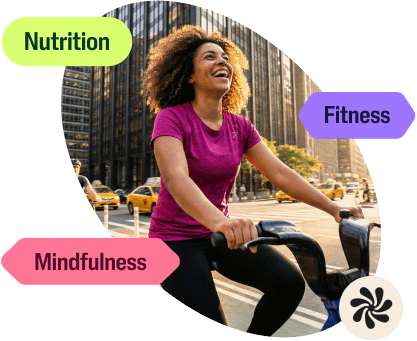
The wellness plans employees love to make resolutions last
Wellhub offers the best fitness, mindfulness, nutrition, and sleep options all in one affordable subscription to make 2026 your healthiest year yet.
Mental health support
Integrate mental health into your health and wellbeing strategies. Identify employees’ needs, offer varied support at key moments, ensure options are easy to access, and communicate their safety and flexibility.
- Provide confidential counselling and therapy routes with clear access instructions
- Offer employee assistance, support, and signposting
- Make privacy explicit so employees do not fear career impact
- Ensure support works across schedules, including outside standard hours
- Offer mental health days where appropriate and clarify when and how to use them
- Encourage managers to protect recovery time and avoid rewarding overwork
- Normalise early support so issues are addressed before they escalate. This includes regular stress management sessions.
- Provide practical stress management tools employees can use daily
- Offer mindfulness and meditation options, including apps that fit the working day. Prioritise these tools for younger employees who often adopt digital wellbeing habits faster.
Healthcare benefits and prevention
- Double-check that your employees understand how to use healthcare benefits
- Include preventive care and early intervention pathways where possible
- Make health tools accessible and simple to use. Prioritize preventive measures and iniciatives
Nutrition support
Include nutrition into your plan. Identify where it matters most to employees and set clear actions to address these needs.
- Provide realistic support, such as habit-based education and healthy choices, where you can influence them
- Use your own data to set priorities. For example, nutrition is the top wellness category for UK employees in our app
Flexibility and work-life balance
- Offer flexible working where roles allow, including working from home options (if possible)
- Show what flexibility looks like in practice, so employees know it is available to them
- Protect recovery time by setting expectations on availability and time off
Financial wellbeing
Financial stress can lead to distractions, anxiety, and reduced productivity at work. It can also affect whether employees take time off when needed.
- Offer financial education and practical support
- Provide resources for budgeting, debt, and everyday financial planning
- Link support to real moments such as parental leave, relocation, or major changes
- Offer retirement education and planning tools where relevant. Make long-term options easy to understand and act on
Culture and connection
Culture is more than a poster. It is built through daily experiences of trust, clarity, and belonging.
- Build a clear narrative on why the organisation exists and how each role contributes
- Create regular moments where teams connect beyond tasks
- Support peer communities so employees can sustain habits together
- Reinforce inclusion so people feel seen and safe to participate
- Team building and communication that strengthen culture
- Set simple manager routines for communication so employees are not guessing priorities
- Create team agreements on meeting norms, response times, and boundaries
- Use structured team building that strengthens trust, not forced socialising
- Make recognition consistent so effort and progress are visible
Development and career wellbeing
Career wellbeing is important because uncertainty causes stress. When employees cannot see a clear path forward, pressure increases, and motivation falls.
- Training that reduces uncertainty and improves confidence
Offer role-relevant learning that supports performance and reduces stress
* Provide manager training so development conversations are consistent
Make expectations clear so employees understand what good looks like
Define progression routes and decision criteria
* Offer internal mobility support so employees can see opportunities
Link growth to wellbeing by reducing ambiguity and improving motivation
Start supporting your employees’ health and wellbeing
Employee health and wellbeing improve when they are part of daily work life. They should be more than a campaign or a set of perks. A strong system protects health, reduces preventable stress, and helps people recover and do their best work.
Often, the simplest approach works best. Start by looking at daily factors like workload, clear goals, and support from managers. Offer practical help for mental, physical, and nutritional health, plus flexibility, financial support, and opportunities to grow. Pay attention to what employees use, listen to their feedback, and keep improving.
Wellhub can help you put this into practice in a way employees will actually use. We offer one simple way for employees to access a wide range of wellbeing options, including fitness, mindfulness, and nutrition. Our platform supports different schedules and work styles while fostering community and social connection among users. Also, HR leaders can use Wellhub for a connected wellbeing experience, wellness challenges, and insights into participation. This reduces fragmentation, improves visibility, and helps turn health and wellbeing goals into lasting habits. Get your free quote today>>
Category
Share

The Wellhub Editorial Team empowers HR leaders to support worker wellbeing. Our original research, trend analyses, and helpful how-tos provide the tools they need to improve workforce wellness in today's fast-shifting professional landscape.
You May Also Like

Wellness Incentives: Guide and 30 ideas for all budgets
Discover 30 wellness incentive ideas for every budget, plus a practical action plan to launch a successful programme in 2026.

Workplace Wellbeing: 15 initiative ideas for UK companies
Discover useful workplace wellbeing initiatives for UK organisations with this guide, including practical ideas to support employee health, engagement, and productivity.

Employee Wellness Programme: Guide for UK HR Leaders
Build a wellness programme your employees actually use. Get 30+ ideas, a simple launch plan, and ROI metrics to prove impact.